

Small size shopping carts have emerged as a unique alternative to regular shopping carts in the retail landscape. As a supplier of small size shopping carts, I've witnessed firsthand the growing interest in these compact yet functional tools. In this blog, I'll delve into a comprehensive comparison between small size shopping carts and their regular counterparts, exploring various aspects such as design, functionality, cost, and user experience.
Design and Space Utilization
One of the most apparent differences between small size and regular shopping carts lies in their design. Regular shopping carts are typically large and bulky, with a standard single or double - layer basket configuration. They are designed to accommodate a large quantity of items, often suitable for customers doing a weekly or monthly grocery haul.
On the other hand, small size shopping carts come in a variety of innovative designs. For instance, the Two Baskets Of Aluminum Shopping Cart offers a two - basket design that can help organize items more efficiently. Its aluminum construction not only makes it lightweight but also durable.
In terms of space utilization, small size shopping carts are a game - changer. Retail stores often face challenges with limited aisle space, especially in busy urban areas or smaller boutiques. Regular carts can make it difficult for customers to navigate through narrow aisles, leading to congestion and a less pleasant shopping experience. Small size shopping carts, however, can easily maneuver through tight spaces, allowing customers to access products more freely. This also means that stores can potentially increase the number of aisles or display areas, optimizing their floor space.
Functionality
Functionality is another crucial aspect to consider. Regular shopping carts are built to carry a large volume of goods. They usually have a higher weight capacity, which is ideal for customers buying large items like bulk groceries, household appliances, or furniture. However, this also means that they can be cumbersome to push around, especially for elderly or physically challenged customers.
Small size shopping carts, while having a lower weight capacity, offer a different set of functionalities. The Elliptical Tube Double - layer Simple Steel Shopping Cart is a great example. The double - layer design provides additional space for separating different types of items. It is also easier to handle, making it a popular choice for customers who are only making a quick purchase or need to grab a few essentials.
Moreover, small size shopping carts can be more versatile. They can be used in a wider range of retail settings, including convenience stores, drugstores, and specialty shops. Some small carts even come with features like adjustable shelves or compartments, which can be customized according to the store's needs.
Cost
Cost is a significant factor for both retailers and customers. Regular shopping carts are generally more expensive to purchase and maintain. They require more materials in their construction, and their larger size means higher shipping costs. Additionally, due to their frequent use and exposure to wear and tear, the maintenance and replacement costs can add up over time.

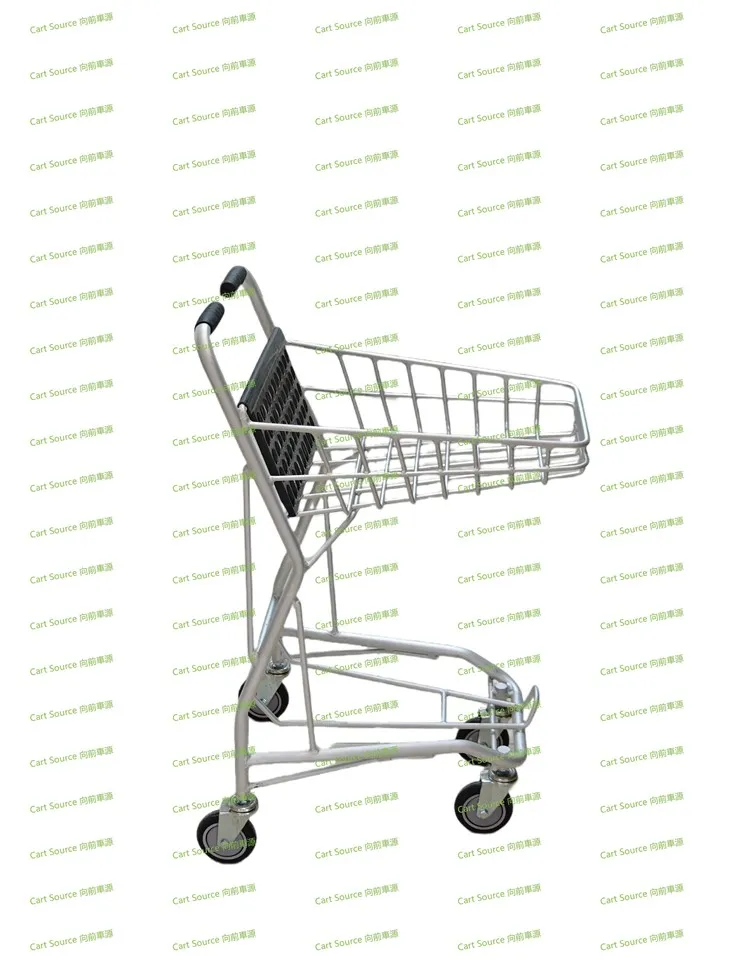
Small size shopping carts, on the other hand, are more cost - effective. They use less material in production, resulting in lower manufacturing costs. Shipping costs are also reduced because they take up less space in transit. For retailers, this means they can invest in a larger quantity of small size shopping carts for the same budget as a smaller number of regular carts. This can lead to increased customer satisfaction as there are more carts available for use.
User Experience
The user experience is greatly influenced by the type of shopping cart provided. Regular shopping carts can be overwhelming for some customers, especially those who are just looking to make a small purchase. The large size can make it difficult to keep track of items, and it may also feel intimidating to push around a large, empty cart.
Small size shopping carts offer a more personalized and comfortable shopping experience. They are easier to control, which can reduce the stress associated with navigating through a store. Customers can focus more on the products they want to buy rather than struggling with a large cart. For example, the Two Aluminum Shopping Carts with Plastic Baskets provides a lightweight and easy - to - handle option. The plastic baskets are easy to clean and can keep items organized.
Environmental Impact
In today's environmentally conscious world, the environmental impact of shopping carts is also an important consideration. Regular shopping carts, being larger and heavier, require more energy to manufacture and transport. They also take up more space in landfills when they reach the end of their lifespan.
Small size shopping carts have a relatively lower environmental footprint. Their smaller size means less material is used in production, and they consume less energy during transportation. Additionally, many small size shopping carts are made from recyclable materials such as aluminum and steel, which can be reused at the end of their life cycle.
Conclusion
In conclusion, small size shopping carts offer several advantages over regular ones in terms of design, functionality, cost, user experience, and environmental impact. They are a practical solution for retailers looking to optimize their space, reduce costs, and improve the overall shopping experience for their customers.
If you're a retailer interested in enhancing your store's shopping experience or looking for a more cost - effective and space - saving solution, I encourage you to consider our range of small size shopping carts. We offer a variety of models, each designed to meet different needs and preferences. Whether you run a large supermarket or a small boutique, our small size shopping carts can make a significant difference. Feel free to reach out to us for more information and to start a procurement discussion.
References
- Retail Store Design and Layout: Principles and Best Practices, 2022
- Shopping Cart Trends and Innovations in the Retail Industry, 2023
- Environmental Impact Assessment of Consumer Goods Packaging and Equipment, 2022


